Loading...
Serving Merritt Island, FL and surrounding areas. (321) 358-0047
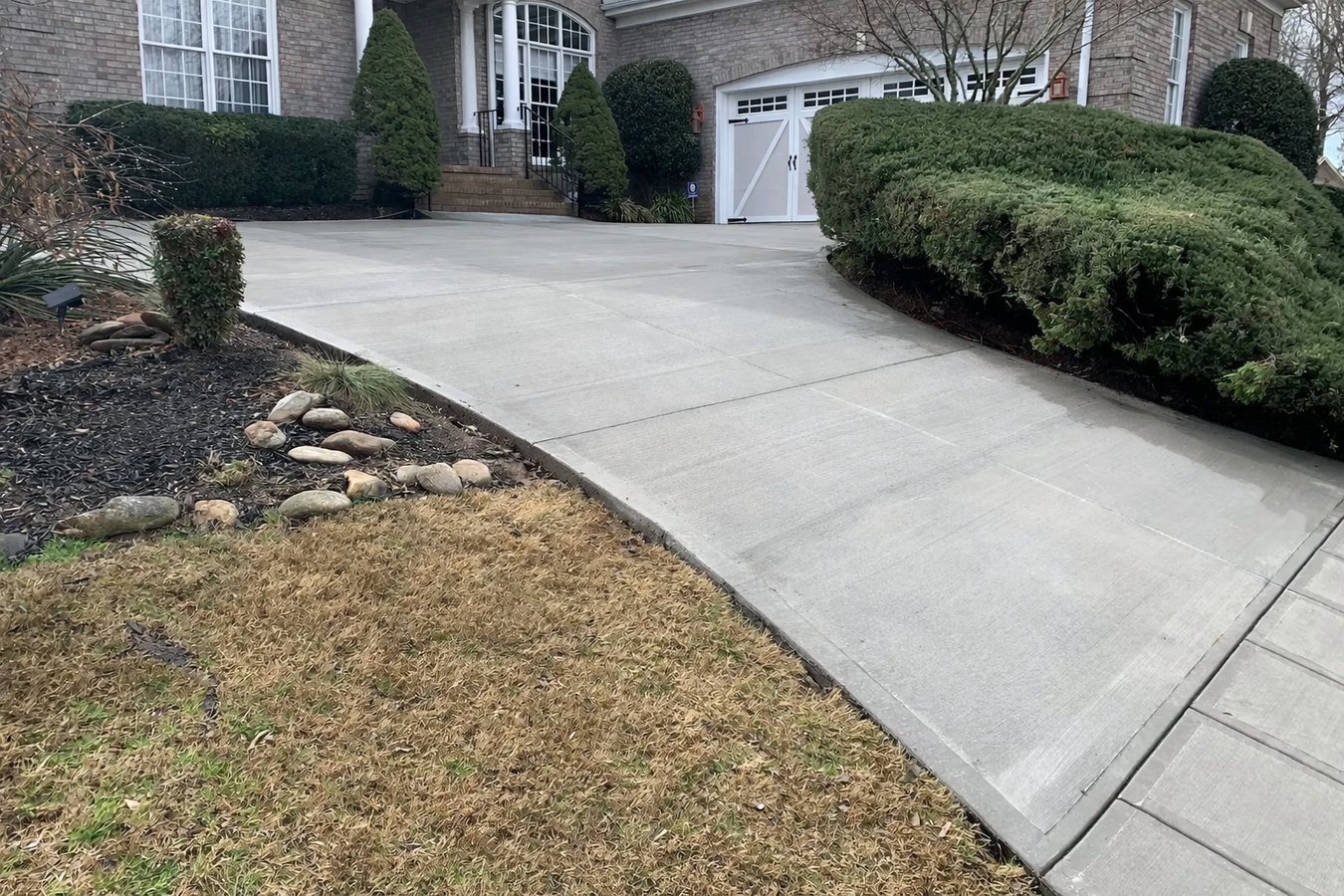
Precision Merritt Island Concrete serves Melbourne homeowners with concrete driveway building, patio construction, pool decks, and slab foundation work - we respond to every inquiry within one business day.
Precision Merritt Island Concrete serves Melbourne homeowners with concrete driveway building, patio construction, pool decks, and slab foundation work - we respond to every inquiry within one business day.
Melbourne has a wide range of home ages - from 1960s CBS ranches near downtown and Eau Gallie to 1990s-2000s subdivisions out west - and original driveways on the older stock are often showing cracking, section heave, and surface spalling. Our concrete driveway building starts with a properly compacted base suited to Melbourne's sandy coastal soil, and we apply a penetrating sealer on pour day to protect the surface from the coastal humidity and salt air that reach all parts of the city.
Melbourne backyards in the established neighborhoods near the Indian River often have aging wood decks or original patio slabs that have seen 40-plus years of Florida heat, humidity, and summer storms. Concrete is the most durable and lowest-maintenance replacement material here - it does not rot in the humidity, and a properly graded slab moves summer rainfall away from the home's foundation rather than letting it pool against the base.
Screened pool enclosures and in-ground pools are common throughout Melbourne, and original pool decks from the 1980s and 1990s on many properties are cracking and settling as the sandy soil beneath them shifts with seasonal rainfall. We pour pool decks with a slip-resistant finish, pitch them to drain summer storm runoff away from the pool edge, and seal the surface against the UV and salt air that shorten the life of unprotected concrete in this coastal city.
New additions, accessory structures, and garage conversions throughout Melbourne require properly engineered slab foundations that account for the city's low-lying terrain and sandy soil with a shallow water table. Melbourne sits in FEMA-mapped flood zones in several neighborhoods, which makes elevation and drainage built into the slab design more than a code requirement - it is a practical necessity for long-term performance of any new structure.
Melbourne homeowners who want a pool deck or patio surface that looks like natural stone or tile - without the long-term settling problems that individual pavers develop in sandy coastal soil - often choose stamped concrete. A stamped slab in Melbourne needs a coastal-rated sealer and a resealing schedule of every two to three years to hold color in the intense Space Coast UV and salt air that reach the city from the nearby Indian River and coast.
Melbourne's low-lying terrain and high seasonal rainfall create drainage and erosion challenges on properties with any grade change. Concrete retaining walls on Melbourne properties need to be engineered for the sandy soil conditions and the heavy precipitation load that summer storm season brings - walls that hold back saturated soil on a rainy August afternoon face very different forces than walls in drier inland Florida communities.
Melbourne is Brevard County's largest city, with about 84,000 residents and a housing stock that ranges from 1960s CBS ranch homes in established neighborhoods like Eau Gallie to newer subdivisions built out through the 2000s. That range of building ages means the concrete work here varies widely - a 1970s ranch on a quarter-acre lot near the Indian River has very different needs than a 2005 home on a western Melbourne street with newer infrastructure. What all of Melbourne shares is the coastal climate: the city sits along the Indian River Lagoon, and the salt air and humidity from that waterway affect every outdoor concrete surface in the city, regardless of how far a property sits from the water's edge. Salt air penetrates the surface of unprotected concrete, eventually reaching the embedded steel, corroding it, and causing the slab to crack from within.
Melbourne's soil adds a second challenge. The city sits on flat, low-lying land with a sandy soil profile and a relatively shallow water table in many neighborhoods. Sandy soil does not hold a compacted base as firmly as clay-heavy or rocky ground, and slabs poured without adequate base preparation tend to shift as the soil beneath them responds to seasonal wetting and drying. Parts of Melbourne also fall within FEMA-designated flood zones, which means drainage built into concrete work is both a code consideration and a practical one. For permit requirements and flood zone information specific to your property, the City of Melbourne Building Inspection Division is the authoritative source for local code requirements.
Our crew works throughout Melbourne regularly, and we understand the local conditions that affect concrete contractor work here. The homes we work on most often are the single-story CBS ranches that define Melbourne's established neighborhoods - modest footprints, attached garages or carports, screened lanais, and original driveways and pool decks that have been doing their job for 40 to 60 years in Florida's coastal humidity and heat.
Melbourne covers a lot of ground, from the older streets of the Eau Gallie Arts District in the northern part of the city - a historic neighborhood with character homes dating to the mid-20th century - to the newer subdivisions on the western side of the city along Wickham Road and past US-192. US-1 runs through the center of the city along the Indian River Lagoon corridor, connecting Melbourne to the barrier island communities to the east and to Palm Bay to the south. Patrick Space Force Base sits just south of the city along the coast, and many Melbourne homeowners work there or at aerospace companies in the surrounding area.
We also serve the communities that border Melbourne. To the east, Indian Harbour Beach is a tight-knit barrier island community with CBS homes that deal with ocean and lagoon salt air from both sides simultaneously. To the west, West Melbourne is a growing city with a newer housing stock and a different set of concrete needs than the older Melbourne neighborhoods.
Reach us by phone or through the website and describe your project. We respond to every Melbourne inquiry within one business day and can typically schedule a site visit within the same week.
We visit the Melbourne property, assess the existing slab or ground condition, evaluate drainage, and give you a written estimate that covers demolition, base preparation, pour, sealer, and permit - no line items added after you sign.
For projects requiring a City of Melbourne permit, we handle the application and coordinate inspections before any concrete is poured. We schedule pour days for early morning to stay ahead of Melbourne's afternoon thunderstorm season from June through September.
We clean up the work area and walk you through the finished slab - covering the cure timeline, when the surface can carry vehicle traffic, and when the first resealing cycle should be scheduled to protect the concrete against Melbourne's coastal climate long-term.
We serve Melbourne homeowners across every neighborhood in the city and respond within one business day. No pressure - just a straight answer about what your concrete project needs.
(321) 358-0047Melbourne is Brevard County's largest city, with a population of around 84,000 people and a character shaped by its mix of long-established coastal neighborhoods and growing western suburbs. The city stretches from the Indian River Lagoon on the east side through flat, sandy terrain to newer residential areas on the west. The housing stock is a mix: older single-family CBS ranch homes in neighborhoods closer to the coast and the river, and newer construction from the 1990s through today on the western side. Melbourne has a significant aerospace and defense workforce - L3Harris Technologies is headquartered in the city, and Patrick Space Force Base is just to the south - which means the community has a stable, long-term homeowning population with real equity in their properties. For background on the city's history and geography, the Melbourne, Florida Wikipedia article covers the details well.
The Eau Gallie Arts District in northern Melbourne - a walkable, gallery- and restaurant-lined neighborhood that was once its own separate city before merging with Melbourne in 1969 - has a distinct character and an older housing stock that is among the most interesting in Brevard County. The Indian River Lagoon runs along the city's eastern edge, and the barrier island communities of Indian Harbour Beach and Melbourne Beach sit just across the causeway. We serve Melbourne and its neighbors on both sides, including West Melbourne, which has seen significant residential growth and brings its own set of newer-home concrete needs to the table.
Beautiful outdoor living spaces built to your exact specifications.
Learn MoreLevel, finished interior floors for residential and commercial spaces.
Learn MoreCall or reach out online - we serve all of Melbourne and respond within one business day.