
Loading...
Serving Merritt Island, FL and surrounding areas. (321) 358-0047
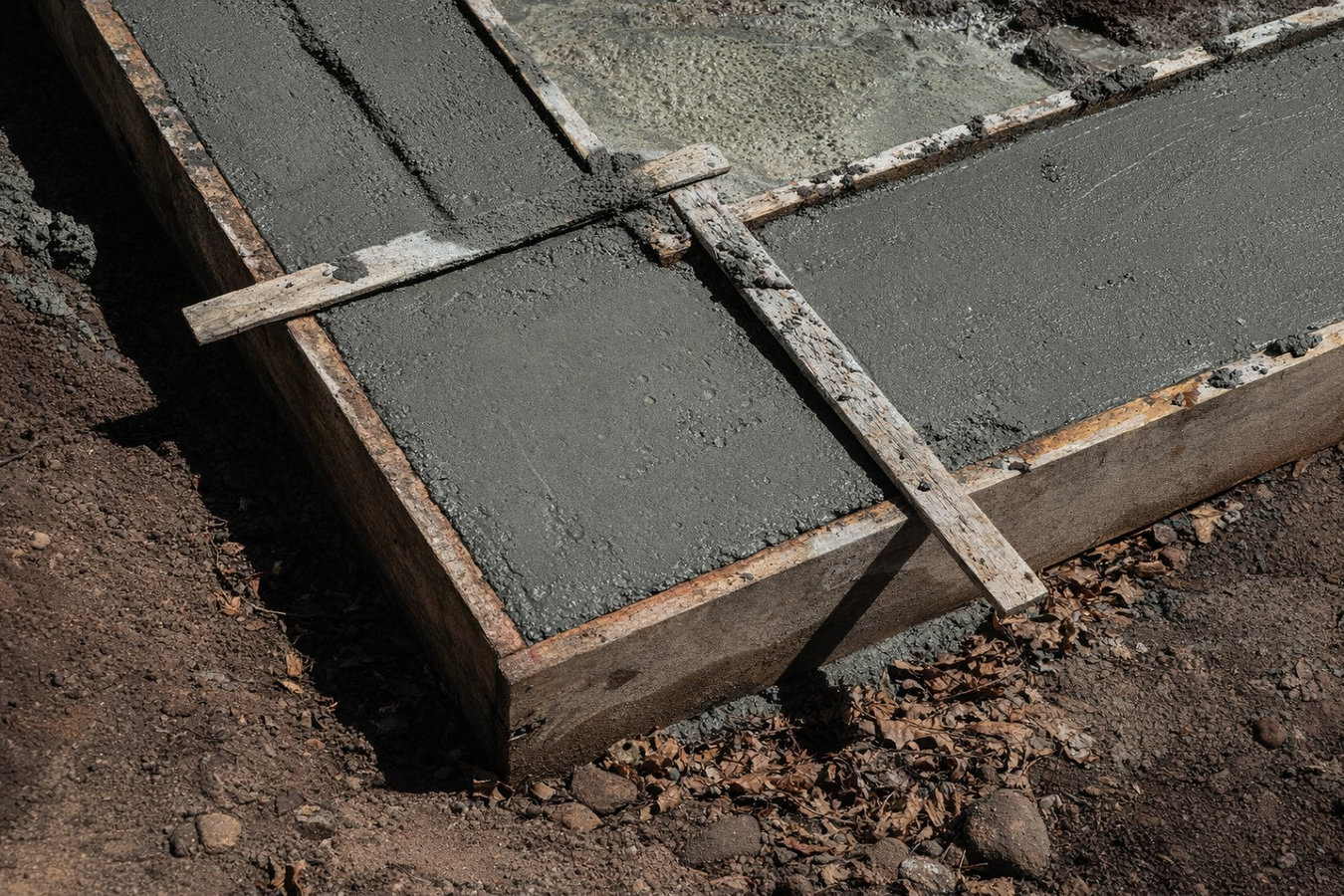
Sandy soil and a high water table make foundation prep critical here. We build slabs that stay level and solid for the long haul.
Sandy soil and a high water table make foundation prep critical here. We build slabs that stay level and solid for the long haul.
Slab foundation building in Merritt Island means pouring a thick, reinforced concrete base directly on prepared ground - most residential projects take two to five days of active work plus a one-to-three-week permit process through Brevard County, with the full timeline running four to six weeks from first call to an inspected, ready-to-frame slab.
Nearly every new home built in Merritt Island sits on a concrete slab. The island's high water table makes basements impractical, and the sandy coastal soil means the preparation work before the pour is just as important as the concrete itself. When you are starting a new home, adding a room, or putting up a structure on your property, the slab is what everything else depends on - and getting it wrong is expensive to fix after the fact. Many homeowners planning a new slab also want to know how it pairs with concrete footings for load-bearing walls or additions.
The work that happens before the pour - grading, compaction, moisture barrier placement, and steel installation - is what separates a slab that stays flat and solid for decades from one that starts showing cracks and settling within the first few years. The county inspector who visits before the pour is there to verify those hidden steps were done correctly.
The most straightforward reason to call us is that you have land and a building project ready to start. In Merritt Island, where virtually all new residential construction uses slab foundations, getting the slab right is the first step before any framing can begin. If someone suggests skipping an engineered slab in favor of a cheaper alternative, that is a conversation worth having carefully.
Diagonal cracks running from the corners of doorframes toward the floor are a clear sign that a slab has shifted or settled unevenly beneath the home. In Merritt Island's sandy soil, this type of settling can happen when the ground was not properly compacted during the original construction. Cracks that are slowly widening over time are worth having a foundation professional look at before the problem becomes structural.
When a slab moves, the walls and frames above it move with it - and the first sign most homeowners notice is a door or window that suddenly sticks, drags, or will not latch. This is common in older Merritt Island homes built in the 1960s and 1970s, when soil preparation standards were less rigorous. Multiple doors sticking at the same time is a pattern worth taking seriously.
Any addition to a home - a new bedroom, a garage, a screened enclosure with a solid roof - typically requires its own concrete slab or footing to support the new structure. In Brevard County, this work requires a permit, and the new slab must connect properly to the existing foundation. A contractor who builds an addition without mentioning a permit or a proper slab is cutting a corner that can be expensive to correct.
Every slab project starts with a site visit. We look at the soil, the drainage, the lot grade, and any existing structures nearby before writing a single number on a quote. For new home construction, a monolithic slab - where the footing and floor slab are poured as one continuous piece - is the most common approach in Brevard County and the most efficient for residential builds. For additions and accessory structures, we pour slabs that tie correctly into the existing foundation system so the new and old sections work together. We handle everything from permit application through the county pre-pour inspection to the final approval, so you are never left navigating the permitting office on your own. Projects that include raised areas or structural transitions may also call for foundation installation work alongside the slab pour.
Before any concrete is placed, the crew prepares the ground in a specific sequence: vegetation is cleared, the soil is graded to the correct level and compacted in multiple passes, a gravel drainage layer goes down, and a heavy-duty plastic moisture barrier covers the entire area. Steel reinforcing bars are then placed inside the form at the correct height before the pour. The American Concrete Institute sets the standards we follow for concrete mix, reinforcement placement, and curing - practices that are especially relevant on an island where moisture is a constant presence. For more on why standards matter, see the American Concrete Institute.
Monolithic slab builds for new residential construction, including all site prep and Brevard County permitting.
Slabs for additions that tie correctly into the existing foundation so the old and new sections move together.
Thickened-edge slabs designed to support vehicle loads and the weight of a new garage structure.
Full ground prep including clearing, grading, compaction, gravel base, and moisture barrier installation.
Rebar or welded wire mesh placed to code depth before the pour, verified by the Brevard County pre-pour inspection.
Heavy-duty polyethylene sheeting beneath the slab to keep ground moisture from migrating up through your floor.
Merritt Island sits on a barrier island between the Indian River Lagoon and the Banana River, and groundwater here is close to the surface - in many parts of the island, just one to two feet down. That means the soil beneath your slab is almost always holding moisture, and the gravel drainage layer and moisture barrier beneath the concrete are not optional extras but the reason the floor stays dry and the slab stays in place. Brevard County's location on the Atlantic coast also puts it in a high-wind zone, which means the anchor bolts and thickened-edge footings that tie your home's framing to the slab are code requirements, not upgrades - they are what keeps walls from separating from the floor during a major storm. Homeowners we work with in Titusville deal with similar coastal soil conditions, and the same careful prep approach applies across the area.
Most homes on Merritt Island were built during the space boom years of the 1960s through the 1980s. If you are building new on a lot where an older home was recently removed, that soil has decades of moisture cycling through it and may need more compaction work than a virgin lot. Summer on Merritt Island means daily afternoon thunderstorms from June through September, and experienced local contractors schedule pours for early morning during those months to get the concrete placed and initially set before the rain arrives. We work throughout Merritt Island and into Cocoa and the surrounding Brevard County area - and the soil conditions we manage on every job are specific to this part of Florida.
We visit your lot in person before quoting - your soil, drainage, and lot grade all affect the scope and price. We respond to all new inquiries within one business day.
We apply for the building permit on your behalf. The approval process typically takes one to three weeks. You get the permit number so you can verify it yourself.
The crew grades the ground, compacts the soil in multiple passes, installs the gravel layer and moisture barrier, sets the forms, and places the steel reinforcement. This phase usually takes two to five days.
A Brevard County inspector verifies the steel and forms before we pour. The pour itself is typically a single day. The slab then cures for at least seven days before framing begins, and a final county inspection closes out the permit.
We handle the Brevard County permit from start to finish. Tell us about your lot and we will give you a written estimate - no obligation.
(321) 358-0047Merritt Island's sandy, moisture-saturated soil is not the same as inland Florida, and a slab poured on ground that was not properly prepared will show it. We compact your specific lot correctly and address drainage before the forms go up - work that shows up in a slab that stays level for decades.
We apply for the Brevard County building permit before any grading begins, and we give you the permit number so you can verify it is real. Work done without a permit can derail a home sale or an insurance claim years later - we make sure that problem never touches your property.
Slabs built in Brevard County must anchor the home's framing against hurricane-force winds. The anchor bolts and thickened-edge footings we include are code requirements for this high-wind zone, verified by the county inspector before the pour - not optional extras added at your request.
Florida requires concrete contractors handling structural foundations to hold an active state license. You can verify ours in about two minutes on the Florida Department of Business and Professional Regulation's online lookup at myfloridalicense.com. We encourage every homeowner to check before signing with any contractor.
Every detail above - soil prep, permitting, wind load compliance, and license transparency - comes together in a slab that performs the way a foundation on this island actually needs to. That is what we deliver on every project.
Full foundation installation for new structures - site prep, moisture control, and Brevard County permitted pours for any build size.
Learn MoreDeep footings for load-bearing walls, additions, and structures that need extra support in Merritt Island's loose coastal soil.
Learn MoreBrevard County permit slots fill up during the busy dry season - the sooner we apply, the sooner your project can move forward. Call or request a free estimate now.