Loading...
Serving Merritt Island, FL and surrounding areas. (321) 358-0047
Precision Merritt Island Concrete serves Palm Bay homeowners across all parts of the city with concrete driveway building, patio construction, slab foundations, and pool decks - and we respond to every inquiry within one business day.
Precision Merritt Island Concrete serves Palm Bay homeowners across all parts of the city with concrete driveway building, patio construction, slab foundations, and pool decks - and we respond to every inquiry within one business day.
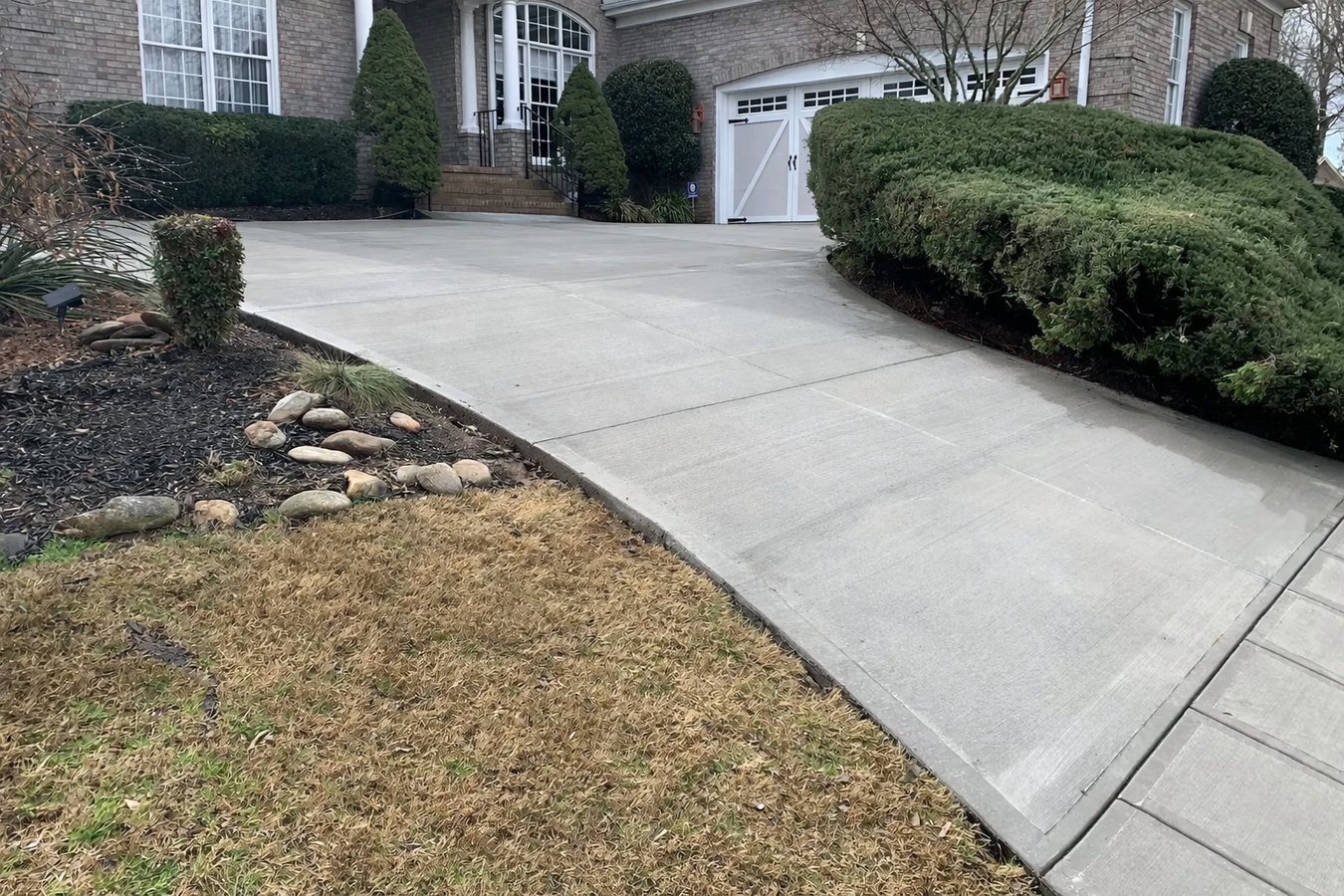
Palm Bay is one of Florida's largest cities by land area, and the long driveways on the city's quarter-acre and larger lots put more square footage of concrete through decades of summer storms, sandy soil movement, and intense UV than smaller lots do. Our concrete driveway building work in Palm Bay starts with proper base compaction for the local sandy soil - the step that most failed driveways in this city skipped - and includes a penetrating sealer on pour day to protect the surface against the combination of Space Coast humidity and sun that shortens unprotected concrete life here.
Palm Bay backyards on the original Port Malabar-era homes often have aging original patio slabs or wood decking that has rotted in the humidity. Concrete is the right long-term material for Palm Bay outdoor living spaces - it does not rot, handles the Space Coast UV and heat, and when graded correctly sends summer storm rainfall away from the home's CBS block foundation rather than pooling against the base where it does the most damage to older concrete block construction over time.
New structures, room additions, and screened enclosures across Palm Bay all require slab foundations built for the city's flat terrain and sandy soil. Palm Bay covers 68 square miles, and drainage patterns vary significantly from the low-lying areas near the Indian River to the higher ground in the southwest subdivisions - every foundation slab here needs a drainage plan specific to the property, not a generic spec applied from a different part of the county.
In-ground pools and screened enclosures are widespread on Palm Bay's single-family lots, and original pool deck slabs on 1980s and 1990s homes are settling and cracking as the sandy base beneath them erodes with each rainy season. We pour pool decks with a slip-resistant finish, pitch them to drain Florida's heavy summer rainfall away from the pool edge and the home's foundation, and apply a UV-resistant sealer to protect the surface from the Space Coast sun that fades and dries out unsealed concrete faster than in most of the country.
Palm Bay's large lots include many properties with grade changes along fence lines and between adjacent lots - and on sandy soil, unretained grade differences erode steadily with each summer storm season. Concrete retaining walls on Palm Bay properties need to be sized for the sandy soil that holds water after rain and for the wind-load requirements under the Florida Building Code that governs construction in Brevard County.
Palm Bay homeowners who want a patio or pool deck that looks like natural stone without the long-term settling issues that individual pavers develop on sandy soil often choose stamped concrete. In Palm Bay's climate, a stamped slab needs a high-quality penetrating sealer and a resealing schedule of every two to three years to hold color under the intense Space Coast UV and the salt air that reach inland properties from the Indian River Lagoon to the east.
Palm Bay is one of Florida's largest cities by land area - roughly 68 square miles - and it grew primarily through a massive planned community called Port Malabar, where tens of thousands of residential lots were platted and sold starting in the 1960s and 1970s. Homes built during that long boom are now 30 to 50 years old, and a large share of the city's concrete driveways, patios, and slab foundations date from that same era. Sandy Brevard County soil that was not compacted to modern standards during original construction has been shifting with seasonal moisture for decades, and the results are visible on properties throughout the city - cracked and heaved driveway sections, settled pool deck edges, and foundation slabs that no longer drain water away from the home the way they were designed to.
Palm Bay sits close enough to the Indian River Lagoon and the Atlantic coast that salt air reaches properties across the city, and that salt accelerates the deterioration of unsealed concrete surfaces. The city also receives Brevard County's full load of summer thunderstorms - nearly daily from June through September - and on Palm Bay's flat terrain, heavy rainfall has nowhere to drain quickly. Properties in lower-lying sections near Turkey Creek and the eastern parts of the city see standing water after major storms, and the prolonged soil saturation that follows is the primary driver of slab settlement in those neighborhoods. Getting drainage grade right on every concrete pour here is not optional - it is what separates a 30-year slab from one that is cracking within 10.
Our crew works throughout Palm Bay regularly, and the jobs we see most often are driveway replacements and patio rebuilds on the original Port Malabar-era homes in the central and eastern parts of the city. When we pull permits for Palm Bay projects, we work through the Palm Bay Building and Permitting Department, and we include the Florida Building Code wind-zone documentation that Brevard County requires for structural concrete. One practical note for Palm Bay jobs: the city's large geographic footprint means travel time from the central neighborhoods to the newer southwest subdivisions adds up, and we factor that into our scheduling rather than our pricing.
Palm Bay Road and Malabar Road are the two main east-west routes through the city, and most residents use them as reference points for describing which part of Palm Bay they are in. The areas closest to Turkey Creek Sanctuary near the center of the city and the neighborhoods near Palm Bay Regional Park are well-established residential zones with the oldest housing stock. The newer subdivisions going up in the southwest section have more recently poured concrete but still sit on the same sandy Brevard County soil that requires careful base preparation on every job.
We serve all of Palm Bay and the communities on its borders. Our work extends north to Merritt Island and to West Melbourne regularly, and we bring the same knowledge of local soil conditions and Brevard County permit requirements to every project regardless of which city it is in.
Call us or fill out the contact form and tell us what you need and where in Palm Bay you are located. We reply to every inquiry within one business day and can usually schedule a site visit within the same week.
We visit your Palm Bay property, inspect the existing conditions, check the drainage grade, and give you a written quote that separates demolition, base preparation, the pour, and permit costs - so there are no surprises when the invoice arrives and you can compare it clearly against other bids.
We pull all required permits from the Palm Bay Building and Permitting Department before any work begins and schedule the required inspections. The crew handles demolition, base compaction, formwork, the pour, and finishing - we coordinate with you on scheduling and access so there are no surprises on job day.
After the pour, we walk you through the cure timeline - 7 days before vehicle use, 28 days to full design strength - and leave your Palm Bay property clean. We stay available during the cure period if any questions come up.
We cover all of Palm Bay - from the older neighborhoods near Turkey Creek to the newer subdivisions in the southwest. Call us or fill out the form and we will respond within one business day.
(321) 358-0047Palm Bay is one of Florida's largest cities by land area at roughly 68 square miles, with a population of around 120,000 people spread across a wide, mostly suburban landscape. The city traces its modern growth to the Port Malabar development that began in the 1960s, when the General Development Corporation platted tens of thousands of residential lots and sold them to buyers across the country. That wave of construction through the 1970s, 1980s, and 1990s created the predominantly single-family, concrete-block ranch housing stock that defines most of Palm Bay today. Turkey Creek Sanctuary near the city center offers residents walking trails along a natural waterway, and Palm Bay Regional Park provides sports fields and open space used by families across the city. The city is part of Brevard County's Space Coast region - residents can watch rocket launches from Kennedy Space Center from many neighborhoods, and a significant portion of the population has ties to the military or the aerospace industry at nearby Patrick Space Force Base.
From a concrete standpoint, Palm Bay's sheer size means the city is not uniform - older neighborhoods near the city center have the most aged housing stock and the most original concrete approaching replacement, while newer southwest subdivisions have more recent flatwork but the same underlying soil challenges. The proximity to the Indian River Lagoon means salt air is a real factor for surface sealing decisions, and the flat terrain throughout most of the city makes drainage grading critical on every project. We also serve homeowners in neighboring Melbourne and West Melbourne to the north.
Beautiful outdoor living spaces built to your exact specifications.
Learn MoreLevel, finished interior floors for residential and commercial spaces.
Learn MoreFrom new driveways on aging Port Malabar-era lots to patio slabs, pool decks, and foundations across all 68 square miles - we know Palm Bay's soil, its permit office, and what it takes to pour concrete that lasts in this climate. Call us to get started.