
Loading...
Serving Merritt Island, FL and surrounding areas. (321) 358-0047
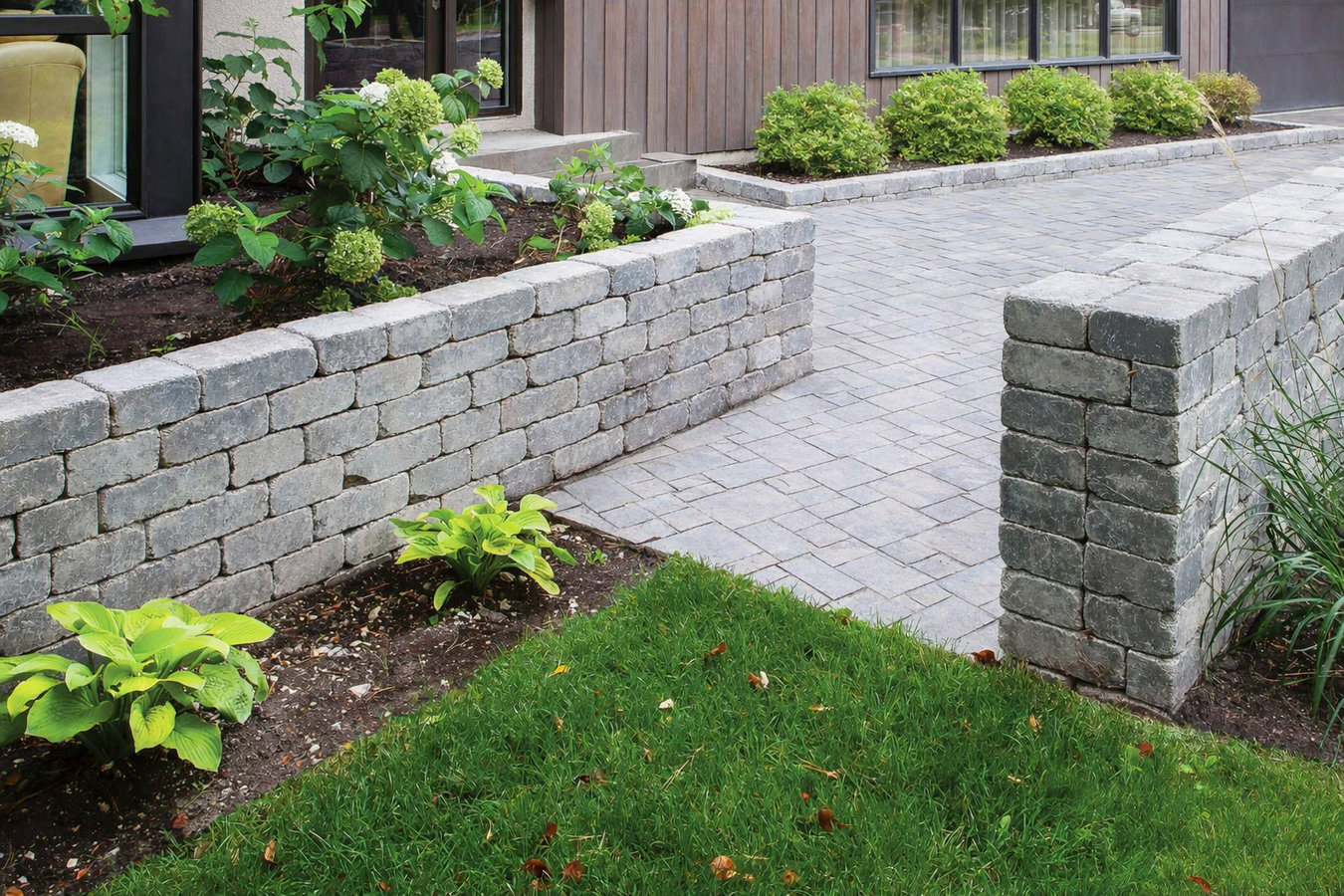
Sandy soil and heavy summer rain keep washing your yard away. A properly built concrete retaining wall stops the movement and gives you stable, usable ground.
Sandy soil and heavy summer rain keep washing your yard away. A properly built concrete retaining wall stops the movement and gives you stable, usable ground.
Concrete retaining walls in Merritt Island hold back soil that would otherwise slide, erode, or slump - most residential wall projects run two to five days of active construction, with footings dug deep enough to handle Merritt Island's loose, sandy soil and the drainage built in from the start to handle Brevard County's heavy summer rain.
A lot of homeowners on the island deal with sloped yards that slowly lose ground after every storm, soil creeping toward the foundation, or a sloping lot that makes half the yard too steep to actually use. Concrete retaining walls in Merritt Island solve all three of those problems by creating a permanent barrier that keeps the earth exactly where you want it. If you have also been thinking about adding a concrete floor installation for a new patio or utility area behind the wall, a lot of homeowners do both projects together.
The part most homeowners do not see - the footing depth, the gravel drainage layer, the corrosion-resistant hardware - is what separates a wall that lasts 50 years from one that leans and cracks within a decade. Getting that foundation work right is where the job either succeeds or fails.
If you notice bare patches, ruts, or small gullies forming on a sloped part of your yard after summer storms, the soil is eroding faster than it can recover. On Merritt Island, where sandy soil moves easily, this kind of erosion can accelerate quickly - what starts as a small washout can undermine a fence post, a garden bed, or even a corner of your driveway within a season or two.
If the soil near your home looks like it is slowly shifting - soil piling up against your foundation, a fence post leaning, or a garden border that keeps moving - the earth is moving under its own weight. This is especially common on Merritt Island properties that were graded during construction but never properly stabilized. Left alone, moving soil can eventually cause foundation issues that cost far more than a retaining wall.
Many Merritt Island homes sit on lots that slope toward a canal, a drainage swale, or a neighboring property. If you have been wanting a flat patio, a garden bed, or a play area but your yard just rolls away, a retaining wall is what makes that possible. The wall holds back the higher ground so the lower area can be leveled and used.
If you already have a retaining wall and it is starting to tilt toward the open side, develop horizontal cracks, or show gaps between sections, it is telling you the drainage or foundation behind it has failed. In Merritt Island's wet climate, a compromised wall can go from looking a little off to collapsed in a single hurricane season. Getting it assessed before storm season is much less expensive than repairing the damage a failed wall causes.
Every retaining wall project starts with a site visit. We look at the slope, the soil, how close the wall will be to your property line or any structures, and whether drainage is already a problem. The written estimate covers excavation, footing work, the wall itself, drainage installation, backfill, and Brevard County permit fees - no items left out of the first quote. For homeowners who want a straightforward, durable solution, poured concrete walls are the strongest option for taller applications. For those who prefer a more decorative look or are working in a tighter space, block retaining wall construction is a practical alternative. We can also pair a new wall with concrete steps construction when a sloped yard needs both a wall and a way to move between levels safely.
Before any soil is pushed back against the wall, we install drainage material - typically gravel and a perforated pipe - so water has a clear path to escape. This step is critical in Merritt Island's wet climate, and we show it to you before it gets buried so you can see it was done. All hardware and reinforcement we use is chosen for coastal conditions, where standard metal components can corrode within a decade.
Best for taller walls or sites where maximum strength is the priority.
Good fit for tighter spaces or homeowners who prefer a textured, more decorative look.
Full installation from footing excavation through backfill and site cleanup.
For existing walls that are leaning, cracking, or have failed drainage behind them.
Gravel layer and perforated pipe sized for Brevard County's heavy summer rainfall.
Two or more shorter walls in steps - often safer and less expensive than one very tall wall.
Merritt Island sits on a barrier island between the Indian River Lagoon and the Banana River, and the soil here is loose, sandy fill that does not hold weight the way clay or compacted earth does in other parts of Florida. Retaining wall footings often need to go deeper than they would elsewhere, and contractors may need to bring in compacted fill material before backfilling. Add in the salt air that accelerates corrosion of standard metal hardware, and you start to see why a wall built by a contractor without coastal experience can start showing problems within a decade even if it looked fine at first. We work across Merritt Island and neighboring Rockledge, and we know how soil conditions and drainage patterns vary across this part of Brevard County.
Brevard County averages around 50 inches of rain per year, with the bulk falling between June and September. A retaining wall on Merritt Island has to be designed with serious drainage capacity - a wall that handles normal rain but fails during a tropical storm is not doing its job. We size drainage behind every wall for heavy rain events, not just everyday runoff, because that is what the climate here actually demands. Homeowners near the Merritt Island National Wildlife Refuge or along canals especially need this kind of drainage planning, given how quickly water rises in low-lying areas after a significant storm. The American Concrete Institute publishes standards for concrete construction that inform how we approach every project.
We respond within one business day. We will ask a few basic questions about your slope, the length of wall you need, and any drainage issues you have noticed - then we schedule a free on-site visit.
We visit your property, assess the slope, soil, and drainage, and measure the area. You get a written estimate that includes excavation, footing work, the wall, drainage installation, backfill, and permit fees. No items left out.
For most retaining wall projects in Brevard County, we pull the building permit on your behalf. Permit approval typically takes one to two weeks. Once it is approved, you get a start date.
Excavation and footing work comes first, then the wall goes up, drainage is installed and shown to you before backfill, and the site is cleaned up. We do a final walkthrough with you before we leave so you can see the finished work.
No pressure, no commitment. We visit your property, assess the slope and drainage, and give you a written quote you can compare with confidence.
(321) 358-0047Sandy, loose soil is the most common reason retaining walls fail prematurely on Merritt Island. We dig footings to the depth the site actually requires - not a standard depth copied from another climate - and bring in compacted fill where the native soil cannot provide a stable base.
Every wall we build includes a gravel drainage layer and perforated pipe sized for Brevard County's rainfall, not just average runoff. We show you the drainage before it is backfilled so you know it was done. Walls without proper drainage fail. Ours are built so they do not.
Merritt Island's salt air from the Indian River Lagoon and Banana River corrodes standard metal hardware faster than most homeowners realize. We use corrosion-resistant reinforcement and anchoring components throughout - the kind that holds up in a coastal environment, not just on paper.
We pull all required Brevard County building permits and coordinate inspections so the work is on record. That protects you when you sell your home and protects you if anything ever needs an insurance claim.{" "}Unpermitted retaining walls are a liability, and we do not build them.
Every one of those details - soil preparation, drainage sizing, material selection, and permit handling - adds up to a wall that holds through Florida storm seasons instead of one that looks right at first and starts failing within a decade. That is the difference between a contractor who knows this market and one who does not.
Add a poured concrete floor behind or alongside your new retaining wall to complete the usable outdoor space.
Learn MorePair a retaining wall with concrete steps to safely connect two levels of your yard or entry.
Learn MoreScheduling fills up fast heading into Brevard County's rainy season - reach out now and lock in your project date.