
Loading...
Serving Merritt Island, FL and surrounding areas. (321) 358-0047
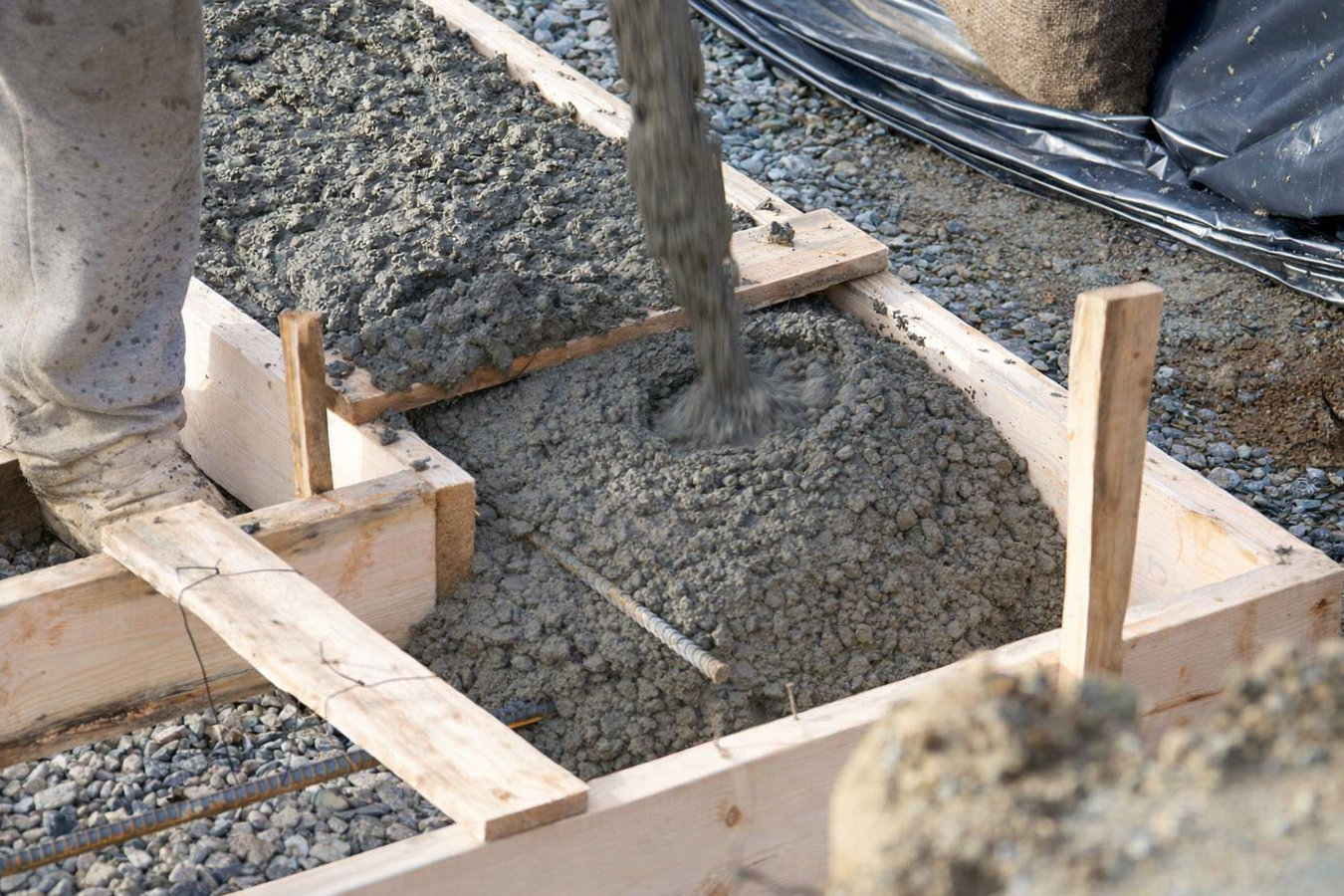
Sandy barrier-island ground, a high water table, and hurricane-zone wind loads demand footings designed for these specific conditions - not sized for somewhere else in Florida.
Sandy barrier-island ground, a high water table, and hurricane-zone wind loads demand footings designed for these specific conditions - not sized for somewhere else in Florida.
Concrete footings in Merritt Island are the hidden base that spreads a structure's weight across the ground - most residential footing jobs take one to two days for the physical work, then require permit approval before the pour and several days of curing before load-bearing work can begin on top of them.
A footing that is too shallow or too narrow for Merritt Island's soft coastal soil will shift - and when it shifts, everything above it shifts too. Cracks in walls, doors that stick, and floors that slope can all trace back to a footing problem that started quietly years earlier. The American Concrete Institute sets the engineering standards for residential footings, and Brevard County applies its own coastal wind-zone requirements on top of those. If you are planning a room addition, covered porch, or outbuilding, the right footings are what make the whole project last. Homeowners adding a full foundation often start with a footing assessment to understand what the site requires before any structural work begins.
Getting the footing right the first time is far less expensive than correcting a problem after the structure above it is built. A quick call before you plan your project can save you from a much bigger conversation later.
If you are adding a room, covered porch, carport, or any structure attached to your home or anchored to the ground, you need new footings before work begins. In Brevard County, this is also a permit requirement - the county will not approve the addition without proper footings. This applies even to structures that seem modest, like a large screen enclosure or a detached outbuilding.
Diagonal cracks running from the corners of door frames or windows, or cracks in floor tiles that follow a line, can be early signs that something below the surface is shifting. On Merritt Island, the sandy soil and high water table make this more common than in areas with stable, dense ground. These cracks do not always mean a footing has failed - but they are worth having a contractor look at before they get worse.
When a footing shifts, the frame of the house above it can rack slightly out of square. The first place you usually notice this is in doors and windows that used to work smoothly but now stick, drag, or will not stay where you leave them. This is a subtle signal that something in the structure below may be moving.
After a hurricane or tropical storm, many Merritt Island homeowners find that screen enclosures, wood decks, or outbuildings need to be rebuilt. When you rebuild, current Brevard County code requires footings that meet today's wind-load standards - which are more demanding than what was required when the original structure was built. This is a natural moment to get the foundation right for the long term.
We start every footing project with an on-site assessment before we quote anything. On Merritt Island, that means checking the soil, looking for signs of a high water table, and understanding what the structure above will need from the footing in terms of both downward load and lateral wind force. You get a written estimate that specifies the depth, dimensions, reinforcement, and permit cost - not a one-size number that changes once we start digging. For homeowners adding an attached addition or covered porch, we build continuous strip footings tied into the existing structure. For standalone outbuildings, carports, or screen enclosures, we build spread footings sized for the wind loads Brevard County requires. If you are also planning a foundation raising project, we can assess the existing footings as part of the same visit to understand what needs to be supplemented or replaced.
We handle the Brevard County permit, coordinate the pre-pour inspection, and manage trench dewatering if the water table is an issue on your property. By the time we hand off to the next contractor building on top, you have documentation confirming the footings passed county review. Call us at (321) 358-0047 or request a free estimate online.
Continuous footings tied into your existing home structure for room additions, covered porches, and attached garages.
Individual column footings for standalone structures - sized and reinforced for Brevard County's coastal wind-load requirements.
For properties with a high water table, we pump the trench and keep it dry long enough to pour sound, solid concrete.
Rebar placed to the dimensions the engineer or county specifies - not simplified to save time on site.
We pull the Brevard County permit and coordinate the pre-pour inspection so you never have to contact the county yourself.
Before tying new work into a 1960s or 1970s Merritt Island home, we assess whether the original footings can carry the added load.
Merritt Island is a barrier island between the Indian River Lagoon and the Banana River, and that geography shapes everything about how footings behave here. The soil is sandy and loose - not the kind of ground that holds a footing the same way compacted clay or dense fill does. That means footings often need to go deeper or be wider than a standard residential job elsewhere to reach ground that is genuinely stable under load. On top of that, the water table is close to the surface in many neighborhoods near the lagoon, which means a freshly dug trench can fill with groundwater before the crew has finished setting the forms. Both of these factors are routine on Merritt Island but are not what most contractors plan for by default. Homeowners in Cape Canaveral deal with nearly identical coastal soil and water table conditions, and projects there follow the same assessment-first approach.
Brevard County is also in a designated high-wind zone, which means footings for any permanent structure on Merritt Island must be engineered to resist lateral wind forces - not just the vertical weight sitting on top. This is more steel reinforcement and sometimes wider footings than you would see in an inland county. Many of Merritt Island's homes were built in the 1960s and 1970s during the space boom, and those older footings were poured under standards that predate today's hurricane requirements. If you are adding onto one of these homes, checking whether the existing footings can carry the additional load - and the additional wind force - is a step that matters more here than almost anywhere else in Florida. Homeowners in Titusville face the same Brevard County coastal wind requirements, and additions there go through the same structural review process.
We reply within one business day to set up an on-site visit. Come with questions about your soil, the structure you are planning, or the permit process - we will walk through all of it in person.
We visit your property, check the soil, look at drainage conditions, and take measurements. On Merritt Island, this step matters more than it does elsewhere - what we find on your specific site shapes the depth, width, and reinforcement in the quote.
We apply for the Brevard County permit, excavate and form the trench, place the rebar, and then wait for the county inspector to sign off before we pour. That inspection is your protection - concrete that is poured before inspection is a serious problem.
After inspection approval, the pour happens quickly. The crew finishes the top surface and leaves the footing to cure. You get documentation confirming the work passed county review and a clear timeline for when the next contractor can start building.
Free written estimate. We assess the soil before quoting, pull the Brevard County permit, and handle the pre-pour inspection. No guesswork.
(321) 358-0047We do not quote footing jobs off a description. We visit the site, look at the soil, check for drainage issues, and understand the water table conditions before we put a number in writing. On Merritt Island's barrier island ground, that assessment directly shapes the depth and dimensions of the footing - and the price. A quote that skips the site visit is a quote that will change.
Many Merritt Island neighborhoods sit close to the lagoon, and the water table is shallow in those areas. We have the equipment to pump a trench and keep it dry long enough to pour properly - which is not something every contractor is prepared to handle. Pouring into standing water weakens the concrete significantly. We plan for this before we start, not after the trench fills.
Brevard County requires an inspector to sign off on footing work before the concrete is poured. We coordinate that inspection, pull the permit, and give you a copy of the documentation when the project closes. You never need to call the county building office or chase an inspector yourself. The paperwork protects you at resale and during any future work on the structure above.
Brevard County's coastal designation means footings here must resist lateral wind forces, not just vertical load. We design rebar placement and footing dimensions to meet those requirements from the start - not as an afterthought when the inspector asks questions. The Florida Building Code sets the structural minimums we work to for every coastal footing project.
The footing is the part of your project you will never see once the work is done - which is exactly why getting it right matters more than almost anything else you will pay for. Call us at (321) 358-0047 to schedule an on-site assessment before any planning decisions are locked in.
When an existing foundation has settled unevenly on Merritt Island's soft soil, foundation raising restores level and prevents further movement.
Learn MoreFull foundation pours for new structures on Merritt Island, engineered for the island's sandy soil profile and Brevard County coastal wind-zone code.
Learn MorePermit season in Brevard County moves fast in spring - reach out now so your project is in the queue before the next scheduling crunch.